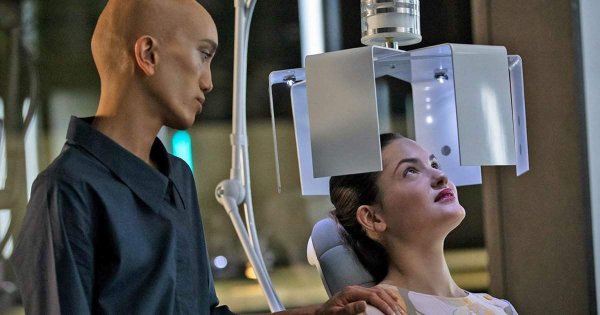
Netflix has unveiled the first trailer for its upcoming French sci-fi series "Osmosis," a show that imagines a world where finding your perfect partner is reduced to a biological algorithm. The series, created by Audrey Fouché, known for her work on the acclaimed dystopian drama "Les Revenants," is set to premiere on the streaming platform on March 29.
The trailer introduces a near-future Paris where a tech company called Osmosis offers a revolutionary service: a pill that, when swallowed, connects to an interactive tattoo on the user's wrist. This interface is designed to identify a person's ideal romantic match, supposedly bypassing the messy, unpredictable nature of human attraction. The concept, as presented, is both alluring and deeply unsettling.
While the trailer hints at a dark narrative—showing test subjects undergoing intense, possibly dangerous experiences—the real horror may lie closer to home. The show seems to critique our current reliance on dating apps and the growing trend of outsourcing personal decisions to algorithms. As the trailer suggests, the line between technological convenience and surrendering control over our most intimate choices is becoming increasingly blurred.
A Cautionary Tale for the Age of Algorithmic Matchmaking
"Osmosis" taps into a contemporary anxiety: the idea that we might be willing to let machines decide whom we love. The show's premise, while fictional, mirrors real-world debates about the ethics of AI in personal relationships. By presenting a scenario where a simple pill and a wrist tattoo can supposedly guarantee a soulmate, the series invites viewers to question whether such a system would truly lead to happiness or simply create new forms of dependency and control.
The production, which was greenlit by Netflix in 2017, is part of the platform's growing investment in international content. Fouché's involvement brings a pedigree of thoughtful, character-driven storytelling, suggesting that "Osmosis" will be more than just a tech-heavy thriller. The trailer's tone—equal parts sleek and ominous—sets the stage for a series that could resonate with audiences who are increasingly aware of the power and pitfalls of the algorithms shaping their digital lives.
As the release date approaches, the show is already generating discussion about the implications of its central concept. Whether "Osmosis" will deliver on its provocative premise remains to be seen, but the trailer alone offers plenty of food for thought about the future of love in an age of artificial intelligence.
Leave a Comment
Comments (0)