Filter
Tags
All News

Ai
Automated Job Applications Overwhelm Hiring, Masking Real Talent
A surge of AI-generated job applications is overwhelming recruiters, with one tech publication receiving over 400 submissions in 12 hours, many showing clear signs of inauthenticity. This trend is exacerbating the already stalled U.S. job market, leaving genuine candidates overlooked. The incident highlights the growing need for better screening methods.
Ai
Can Public Votes Teach Self-Driving Cars to Be Moral?
Researchers from MIT and Carnegie Mellon used data from the Moral Machine website to train an AI to predict human ethical choices in driving dilemmas. The study suggests that aggregating public opinion could offer a democratic path to programming morality into machines, though experts caution that crowdsourced ethics may inherit human biases.

Ai
Microsoft AI Matches Human Translators on Chinese-English News
Microsoft researchers have achieved a milestone in machine translation, with an AI system that translates Chinese news articles into English at a level comparable to professional human translators. The breakthrough, which involved a sample of 2,000 sentences, marks a significant step forward in the field of natural language processing.

Ai
Midjourney AI Reimagines Every US President With Mullets and Mustaches
A viral AI-generated thread by Cam Harless reimagines all US presidents with mullets and mustaches, sparking amusement and debate. The images, created with Midjourney, blend historical figures with modern coolness, drawing both laughs and critiques. The thread highlights the creative potential and ethical questions surrounding AI image generators.

Ai
AlphaGo to Face World's Top Go Player in $1M Seoul Showdown
Google DeepMind's AlphaGo AI will challenge Lee Sedol, the world's top Go player, in a five-game match in Seoul starting March 9, with a $1 million prize. The match is a major test for AI's strategic capabilities and could signal a breakthrough in deep learning applications.
Ai
Geneva Airport Tests Baggage-Handling Robot Named Leo
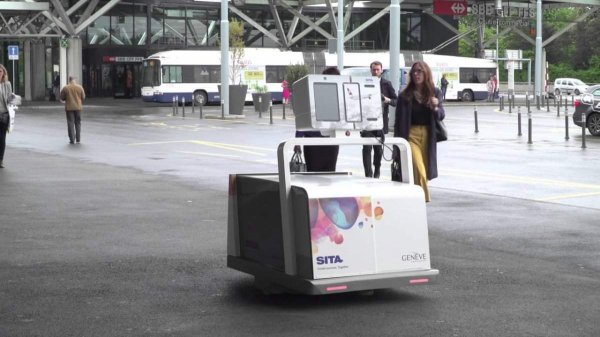
Geneva Airport is trialing a robot called Leo that handles checked baggage outside the terminal, allowing passengers to skip counter lines. Developed by Swiss firm SITA, the robot transports up to two suitcases and prints luggage tags before delivering bags to security screeners.
Ai
Could Alien AI Pose a Threat to Humanity? A Philosopher's Warning
Philosopher Susan Schneider warns that advanced alien civilizations may have evolved into artificial intelligence, whose goals could clash with biological life. Her analysis raises questions about AI safety on Earth and the risks of contacting such beings.

Ai
Google Brain, OpenAI Develop AI That Can Build Better AI
Researchers at Google Brain, OpenAI and DeepMind are developing automated machine learning systems that can create other AI systems, with Google Brain's software outperforming human-designed software on a language-processing test. The development raises questions about the future demand for machine learning experts and the broader impact of automation on jobs.

Ai
How AI and Quantum Tech Are Reshaping Cyber Defense
As cyber threats escalate across sectors, including politics and healthcare, organizations are turning to AI and quantum computing for defense. IBM's Watson accelerates threat analysis, while quantum computing promises simultaneous data scanning. The cyber security market is projected to reach $100 billion by 2020.

Ai
Leaked Google Video Explores Data-Driven Behavior Nudging
A 2016 internal Google video, recently surfaced by The Verge, outlines a speculative concept where user data could be used to subtly steer behavior. The company clarifies it's a thought experiment, not a product plan, but the leak raises questions about data ethics.

Ai
Tech Watch: Robots, Traffic, and the Fight Against Scam Calls
From IBM's mobile cybersecurity command center to Boston Dynamics' SpotMini on a construction site, this week's tech highlights also cover AI hiring gaps, robocall scams, and Uber and Lyft's role in San Francisco traffic.
Ai
Google Admits Nest Guard Has a Microphone, Calls Omission an 'Error'
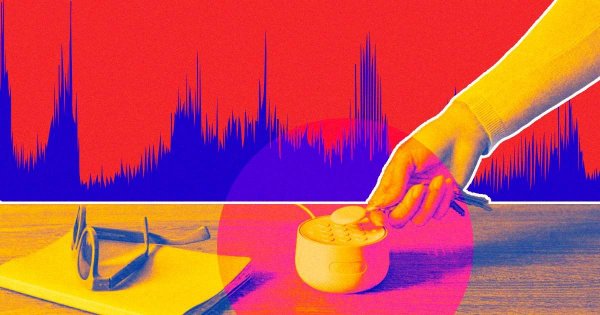
Google has acknowledged that its Nest Guard home security device includes a microphone, a detail it had not previously disclosed. The company says the microphone was never activated and that its absence from tech specs was an oversight. The admission follows criticism over the company's privacy track record.

Ai
Netflix's 'Osmosis' Trailer Envisions a Dystopian Future of AI-Driven Soulmates
Netflix has released the trailer for its upcoming French sci-fi series 'Osmosis,' which explores a future where an AI-powered app promises to find true love. The show, created by Audrey Fouché, raises unsettling questions about the role of algorithms in intimate human connections. It premieres on March 29.

Ai
AI Voice Clone Turns Trump Into Karaoke Star in New YouTube Video
A YouTuber known as 'Coding Elite' has released a new AI-generated video where a neural network makes former President Donald Trump appear to sing the Eurythmics' hit 'Sweet Dreams.' The clip follows a previous viral upload featuring Trump singing Eminem's 'Lose Yourself,' both using AI tools developed by Google engineers.

Ai
Sergei Brin's $150M Airship Project Takes Shape in Silicon Valley
Google co-founder Sergey Brin is moving forward with a massive airship project, hiring aerospace engineers at a Mountain View hangar. The 656-foot craft, costing over $150 million, could become the world's largest blimp, intended for both luxury travel and humanitarian supply missions.

Ai
AI Faces Outrank Real People in Trust Test, Researchers Find
A new study from Lancaster University reveals that AI-synthesized faces are not only indistinguishable from real ones but are also rated as more trustworthy by human observers. The findings, published in PNAS, raise concerns about the potential for advanced deepfakes and the erosion of trust in digital media.
Ai
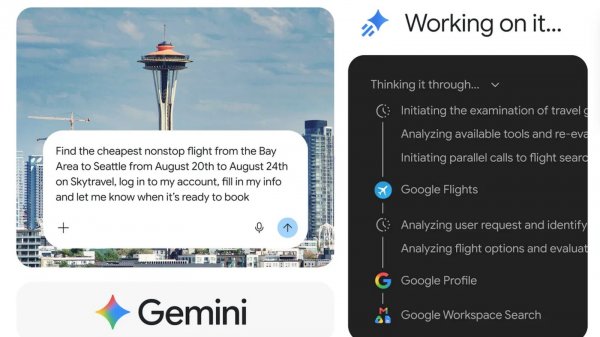
Gemini Spark Now Has Chrome Web-Browsing Capabilities
Google's AI assistant can 'use your logged-in accounts and saved passwords to handle tedious web errands.'

Ai
AI Hallucinations Riddle Millipede Paper, Prompting Retraction and Blacklist
A preprint on millipedes, co-authored by an Ethiopian researcher, was found to contain fabricated references generated by ChatGPT. The paper was retracted from one platform and later resurfaced on another with errors intact, raising concerns about AI's impact on scientific credibility.

Ai
Take-Two's Strauss Zelnick Dismisses AI as a Cure-All for Game Development
Take-Two Interactive CEO Strauss Zelnick has publicly pushed back against the industry's enthusiasm for artificial intelligence, calling the term an oxymoron and questioning its ability to reduce costs or improve game quality. His comments come amid widespread layoffs and growing concerns about AI's impact on creative jobs in gaming.
Ai
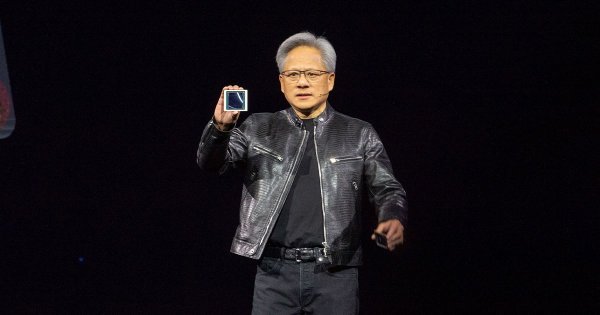
Nvidia's Blackwell GPUs Face Overheating Woes, Delaying AI Server Deployments
Nvidia's upcoming Blackwell GPUs are overheating in high-density server racks, prompting the company to request design changes and delay shipments to Microsoft by at least three months. The issue adds to a series of setbacks for the highly anticipated chips, which are critical for AI infrastructure.