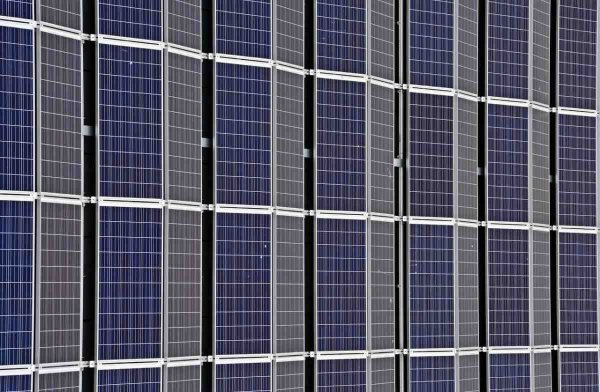
The global price of building solar power systems is expected to fall by 27 percent by 2022, according to a new analysis from GTM Research. The study, led by solar analyst Ben Gallagher, projects an average annual cost reduction of 4.4 percent across the industry, a trend that is accelerating adoption of solar in both developed and emerging economies.
Gallagher attributes the downward pressure to the globalization of key inputs—investors, labor, modules, and trackers—which has effectively erased regional pricing differences. “Regional hardware pricing has been eroded by market forces,” he wrote in the report, pointing to a more interconnected supply chain that now sets prices on a worldwide basis.
India stands out as the current cost leader, with solar energy produced at 65 cents per watt—the lowest figure ever recorded in any region. This milestone has made solar increasingly attractive in price-sensitive markets, though it also raises questions about the trade-offs behind such aggressive cost-cutting.
At the other end of the spectrum, Japan faces the highest construction costs globally, at roughly $2 per watt. That is nearly double the U.S. rate of $1.10 per watt and well above the U.K.'s $1 per watt, which is the lowest in Western Europe. Despite the disparity, all major markets are seeing costs trend downward.
Cheaper Solar, But at What Cost?
The affordability boost is widely seen as a win for the environment, as renewable energy becomes more competitive with fossil fuels without requiring subsidies or lifestyle changes. Lower costs mean that adopting solar can be both an economically rational and environmentally responsible choice, allowing societies to maintain their current living standards while reducing reliance on carbon-intensive fuels.
However, the report cautions that the low prices may come with hidden drawbacks. Gallagher notes that intense market competition has fueled suspicions that some new solar installations—particularly in India—were “hastily constructed using poor-quality components.” The low cost may also reflect minimal wages for workers, raising ethical concerns about the true cost of cheap energy.
These concerns echo a broader warning about relying solely on statistics. As Mark Twain famously said, “There are three kinds of lies: lies, damned lies, and statistics.” The impressive numbers, while encouraging, should be examined beyond the surface to ensure that the shift to greener energy is driven by genuine technological advancement rather than by cutting corners at the expense of quality and human welfare.
For now, the outlook remains positive: solar power is becoming more accessible worldwide, and the pace of cost reduction shows no sign of slowing. But as the industry grows, maintaining standards will be as important as hitting price targets.
Leave a Comment
Comments (0)