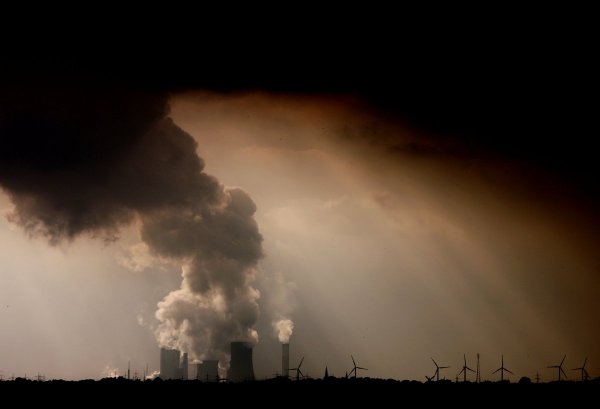
The Los Angeles City Council has taken a formal step toward ending the city's reliance on fossil fuels, voting to commission a study on how to achieve a 100% clean energy portfolio. The measure, approved by the council, directs the Los Angeles Department of Water and Power (LADWP) to work with local universities, energy experts, and other stakeholders to map out the investments and priorities needed for such a transition.
The decision comes as Los Angeles grapples with a legacy of severe air pollution. In 2015, Time magazine ranked the city as having the worst ozone pollution among U.S. cities, a distinction that has fueled public pressure for cleaner energy sources. The city's power infrastructure, much of it a century old, is seen as a major hurdle in the shift toward renewables.
The legislation, authored by Councilmen Mike Bonin and Paul Krekorian, explicitly frames the effort as a chance to rebuild the utility system in a way that acknowledges the potential for a fossil-free future. It also cites the need to shield ratepayers from the rising costs of carbon-based fuels, a concern that has become more acute as energy prices fluctuate.
Why the Study Matters
The study is not a commitment to a specific timeline or technology but rather a structured examination of what a transition would entail. LADWP, one of the nation's largest municipal utilities, will need to assess everything from grid modernization to the integration of renewable sources like solar and wind. The involvement of academic institutions is intended to bring independent expertise to the analysis.
Los Angeles joins a growing list of cities—and even countries—that have set ambitious clean energy goals. Costa Rica, for instance, ran almost entirely on renewable energy for nearly 300 days, demonstrating that such targets are feasible at scale. However, the scale and complexity of LA's energy needs present unique challenges, including the need to maintain reliability while phasing out fossil fuels.
The council's vote signals a policy shift, but the path forward remains uncertain. The study's findings will likely shape future decisions on infrastructure spending and regulatory changes. For now, the city is taking a deliberate, research-driven approach to one of the most consequential energy transitions in its history.
Leave a Comment
Comments (0)