Filter
Tags
All News
Science
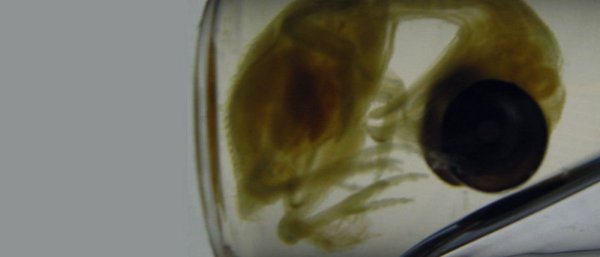
Chicken Embryos Revert to Dinosaur Leg Shape in Gene Study
Brazilian researcher João Botelho has, for the second time, experimentally reversed a bird trait to a dinosaur-like state by inhibiting a maturation gene in chicken embryos, causing the fibula to develop as a tube reaching the ankle. Published in the journal Evolution, the study provides insight into the genetic mechanisms behind the dinosaur-to-bird transition.

Science
Pentagon Scrambles to Shield Satellites from Space Radiation
The U.S. military is investigating ways to clear radioactive particles from space after a nuclear blast, fearing that an attack by North Korea could cripple American satellites. Experiments are underway to test radiation belt remediation, a process that could drain harmful electrons from the atmosphere. Officials warn of a potential 'Pearl Harbor of space' if no defense is found.
Science
Quantum Key Distribution Hits Megabit Speeds, Paving Way for Secure Internet
Researchers from Duke University, Ohio State University, and Oak Ridge National Laboratory have demonstrated a quantum key distribution system that encrypts data at megabit-per-second rates, five to ten times faster than current methods. By encoding two bits per photon and using high-speed detectors, the system could support encrypted calls and video streaming, bringing quantum-secured communication closer to practical use.
Science
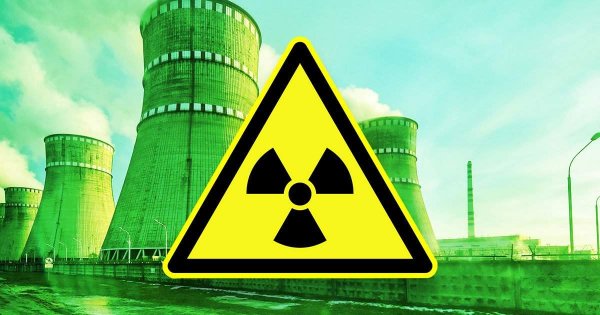
Nuclear Safety Fears Mount as Ukraine Conflict Intensifies
As Russian forces advance in Ukraine, experts warn that the country's 15 nuclear reactors face an unprecedented safety risk. The IAEA chief has urged restraint, while physicists note that reactors are not built to withstand war-zone conditions, raising concerns about accidental damage and radioactive fallout.

Ai
Leaked Google Video Explores Data-Driven Behavior Nudging
A 2016 internal Google video, recently surfaced by The Verge, outlines a speculative concept where user data could be used to subtly steer behavior. The company clarifies it's a thought experiment, not a product plan, but the leak raises questions about data ethics.
Ai
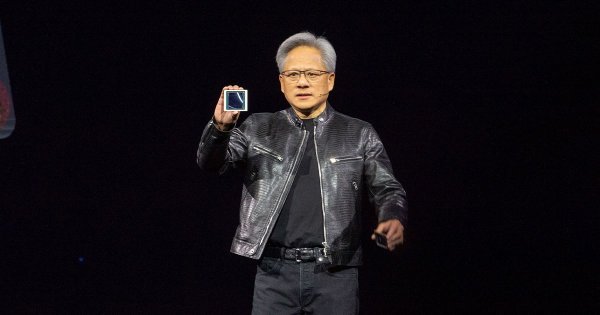
Nvidia's Blackwell GPUs Face Overheating Woes, Delaying AI Server Deployments
Nvidia's upcoming Blackwell GPUs are overheating in high-density server racks, prompting the company to request design changes and delay shipments to Microsoft by at least three months. The issue adds to a series of setbacks for the highly anticipated chips, which are critical for AI infrastructure.
Ai
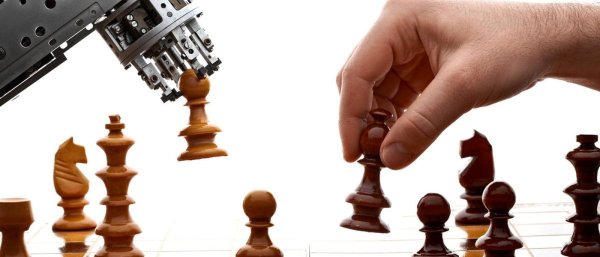
Tech Watch: Robots, Traffic, and the Fight Against Scam Calls
From IBM's mobile cybersecurity command center to Boston Dynamics' SpotMini on a construction site, this week's tech highlights also cover AI hiring gaps, robocall scams, and Uber and Lyft's role in San Francisco traffic.
Ai
Could Alien AI Pose a Threat to Humanity? A Philosopher's Warning
Philosopher Susan Schneider warns that advanced alien civilizations may have evolved into artificial intelligence, whose goals could clash with biological life. Her analysis raises questions about AI safety on Earth and the risks of contacting such beings.

Ai
Microsoft CEO's AI Anxiety: Fears of Becoming Another DEC
Microsoft CEO Satya Nadella reportedly told employees he is haunted by the fate of Digital Equipment Corporation, a once-dominant tech firm that collapsed after strategic missteps. His remarks come amid massive AI investments, layoffs, and a strained partnership with OpenAI, as the company races to avoid obsolescence.
Ai
How AI and Quantum Tech Are Reshaping Cyber Defense
As cyber threats escalate across sectors, including politics and healthcare, organizations are turning to AI and quantum computing for defense. IBM's Watson accelerates threat analysis, while quantum computing promises simultaneous data scanning. The cyber security market is projected to reach $100 billion by 2020.