Filter
Tags
All News
Science
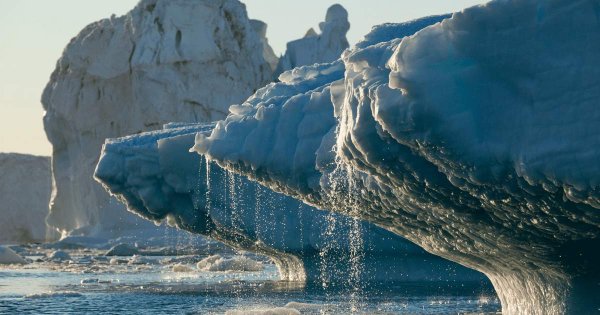
Simultaneous Heat Surges at Both Poles Alarm Scientists
Recent temperature spikes in both Antarctica and the Arctic have scientists concerned, with readings up to 90 degrees above normal in some areas. The simultaneous warming, driven by atmospheric moisture and a bomb cyclone, underscores the urgency of climate action.
Science
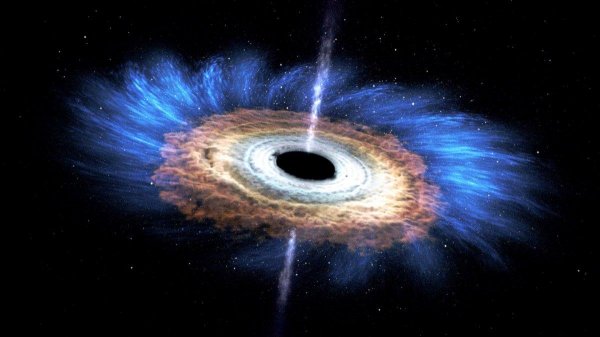
Milky Way's Hidden Giant: Astronomers Find Mid-Size Black Hole Candidate
Japanese astronomers report a possible intermediate-mass black hole, 100,000 times the Sun's mass, hidden in a gas cloud near the galactic center. If confirmed, it would be the first of its kind in the Milky Way and a key link in black hole evolution.

Science
Quantum Key Distribution Hits Megabit Speeds, Paving Way for Secure Internet
Researchers from Duke University, Ohio State University, and Oak Ridge National Laboratory have demonstrated a quantum key distribution system that encrypts data at megabit-per-second rates, five to ten times faster than current methods. By encoding two bits per photon and using high-speed detectors, the system could support encrypted calls and video streaming, bringing quantum-secured communication closer to practical use.
Science
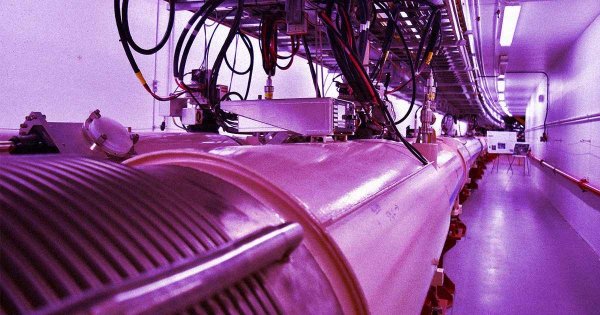
Brookhaven Lab Selected for $2.6B Particle Collider Project
The U.S. Department of Energy has chosen Brookhaven National Laboratory in New York as the site for a new Electron-Ion Collider, a $1.6–$2.6 billion project expected to be operational by 2030. The facility aims to advance nuclear physics research and maintain American leadership in accelerator technology.

Science
Pentagon Scrambles to Shield Satellites from Space Radiation
The U.S. military is investigating ways to clear radioactive particles from space after a nuclear blast, fearing that an attack by North Korea could cripple American satellites. Experiments are underway to test radiation belt remediation, a process that could drain harmful electrons from the atmosphere. Officials warn of a potential 'Pearl Harbor of space' if no defense is found.
Science
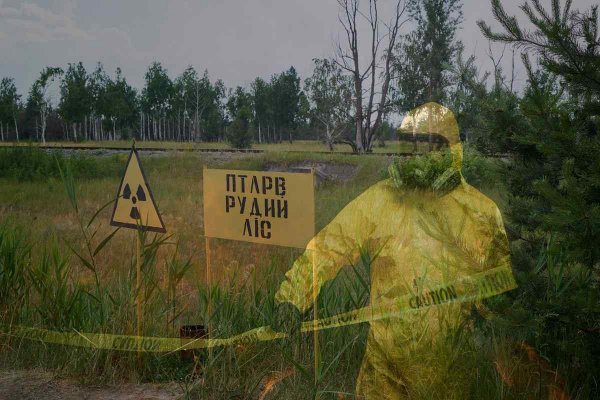
Chernobyl Radiation Exposure Reported Among Russian Troops, Prompting Withdrawal
Ukrainian officials report Russian forces withdrew from Chernobyl after showing symptoms of radiation sickness, raising concerns about nuclear safety amid the conflict. The IAEA plans to send a mission, while experts question the scale of exposure.
Science
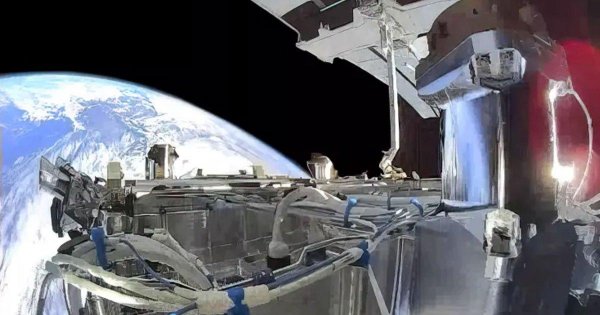
SpaceX Launches Starshield Program for Government Satellite Services
SpaceX has introduced Starshield, a satellite service tailored for government and military use, leveraging its Starlink network. The program aims to support national security missions with secure payload hosting and inter-satellite laser communications. This move solidifies SpaceX's role in the defense sector, raising questions about space militarization.
Science
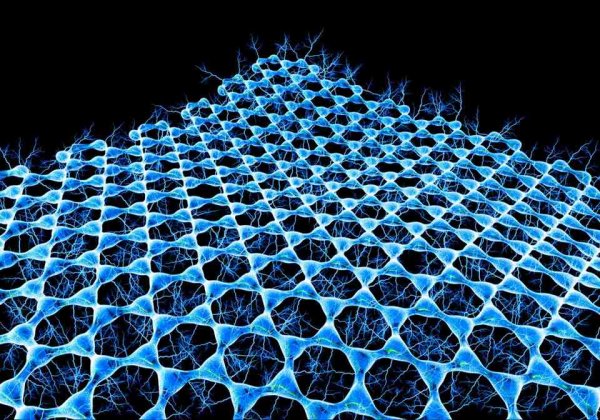
Physicists Achieve Superconductivity in Untouched Graphene Layers
MIT researchers have achieved superconductivity in pristine graphene by stacking two layers at a 1.1-degree twist and applying an electric field. This marks the first time the phenomenon has been observed without chemical doping, opening possibilities for room-temperature superconductors.
Science
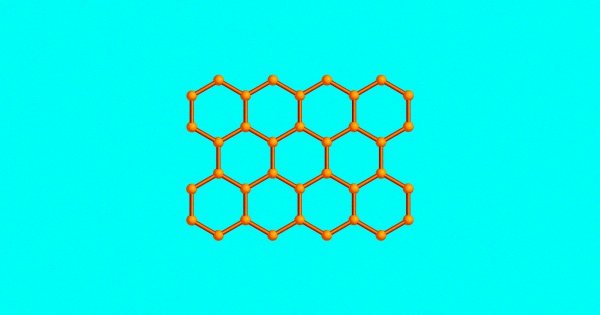
Cambridge Spin-Off Says Graphene Chips Are Almost Ready for Market
A University of Cambridge spin-out, Paragraf, says it has begun producing graphene wafers at commercial scale, a milestone that could finally move the material from labs to real-world devices. The company expects its first graphene-based electronic product to launch within months, potentially transforming industries from electronics to healthcare.
Science
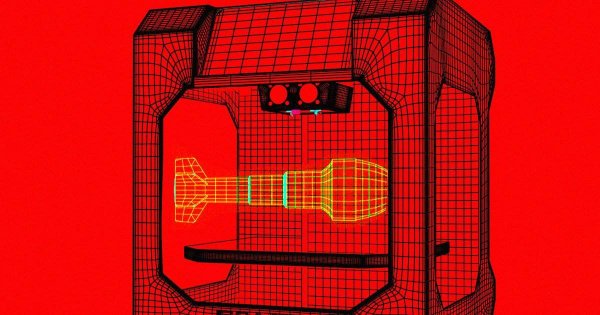
3D Printing and AI Raise New Fears of Covert WMD Production
A new report led by the Middlebury Institute warns that advances in 3D printing and AI could enable state and non-state actors to covertly manufacture weapons of mass destruction. The authors highlight three distinct risk pathways, including accelerated production for existing programs and the potential for unforeseen threats. They urge policymakers to pay closer attention to this emerging security challenge.
Science
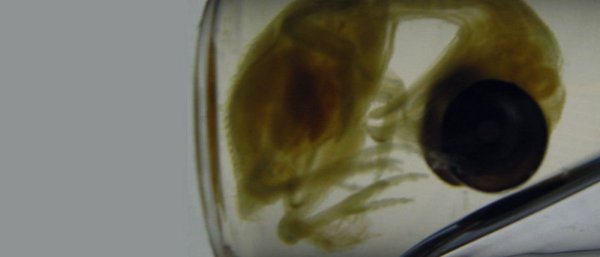
Chicken Embryos Revert to Dinosaur Leg Shape in Gene Study
Brazilian researcher João Botelho has, for the second time, experimentally reversed a bird trait to a dinosaur-like state by inhibiting a maturation gene in chicken embryos, causing the fibula to develop as a tube reaching the ankle. Published in the journal Evolution, the study provides insight into the genetic mechanisms behind the dinosaur-to-bird transition.

Science
New Zealand's Incoming Leader Sets 2050 Deadline for Carbon-Free Economy
New Zealand's Prime Minister-elect Jacinda Ardern has pledged to make the country carbon-neutral by 2050, with a plan that combines emission cuts, international credits, and large-scale tree planting. The commitment places New Zealand among a growing list of nations adopting similar goals, following Sweden and Norway's earlier pledges.
Science
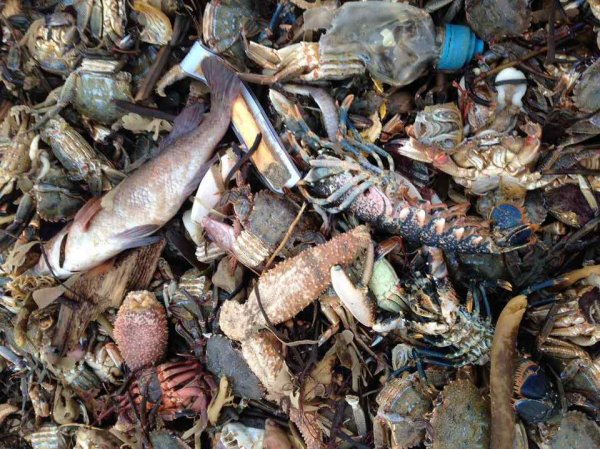
UK East Coast Marine Die-Off: Storm Link Investigated
A mass stranding of marine animals along the UK's east coast has prompted investigations into a recent cold snap. Experts point to a combination of plunging sea temperatures, strong winds, and low tides. The event raises questions about the resilience of marine ecosystems in the face of climate change.

Science
New Sea Level Study Points to Faster Rise Than Projected
A new study using a novel method to measure sea level sensitivity to temperature finds that oceans could rise faster than current models suggest, potentially exceeding half a meter by 2100 if warming reaches 2°C. The findings imply a tighter global carbon budget, requiring an additional 200 billion metric tons of emissions cuts to meet climate goals.
Science
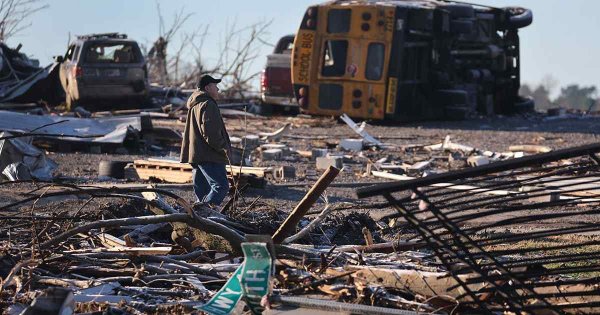
Midwest Storm Outbreak Sets Wind Records, FEMA Links to Climate Shift
A record-breaking storm system swept the Midwest on Wednesday, generating nearly 20 tornadoes and hurricane-force winds that left hundreds of thousands without power. FEMA Administrator Deanne Criswell attributed the unusual winter outbreak to climate change, calling it 'the crisis of our generation.' The event follows deadly tornadoes in Kentucky and Southern Illinois that killed nearly 100 people.

Science
Michigan Man Spent 555 Days on Backpack Heart Pump Before Transplant
Stan Larkin, 25, of Michigan, survived 555 days with a backpack-mounted artificial heart while waiting for a donor organ. His case, detailed by University of Michigan doctors, highlights the potential of portable cardiac support for patients with total heart failure.
Science
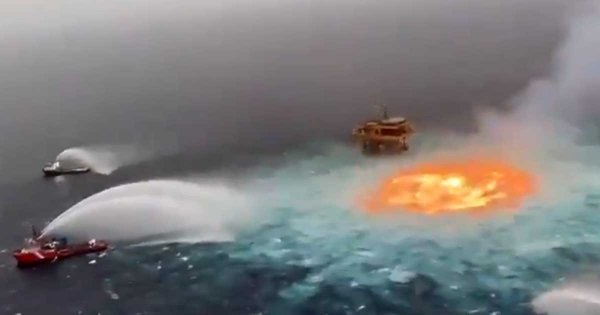
Gulf of Mexico Methane Leak at Pemex Rig Raises Climate Concerns
A Pemex-operated oil and gas platform in the Gulf of Mexico, site of a 2021 fire, leaked roughly 44,000 tons of methane in August. The release, equivalent to emissions from hundreds of thousands of homes, underscores the climate impact of fossil fuel infrastructure.
Science
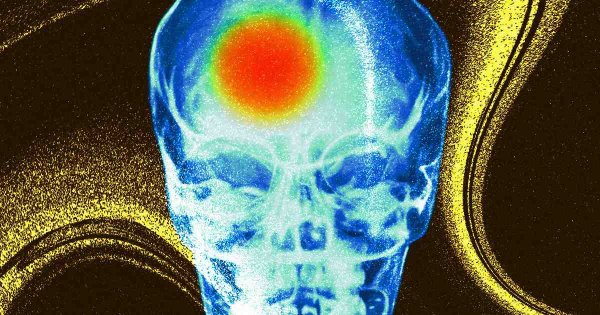
Extreme Temperatures Tied to Over Half a Million Stroke Deaths in 2023
A global analysis published in Neurology links over 500,000 stroke deaths in 2023 to extreme temperatures, with cold weather being the primary driver. The study highlights regional disparities, with central Asia facing the highest death rate, and underscores the growing health burden as temperatures become more erratic.
Science
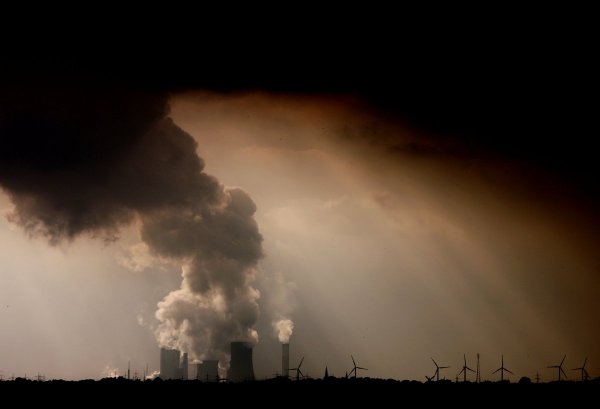
Los Angeles City Council Moves Toward Fossil-Free Power Grid
The Los Angeles City Council has approved a measure directing the Department of Water and Power to study how the city can transition to 100% clean energy. The move follows years of air quality problems and aligns with a broader push among cities to eliminate fossil fuels. The study will involve local universities and energy experts.

Science
Alaska to Host High-Altitude Helium Wind Turbine for Off-Grid Power
A helium-filled wind turbine designed by MIT spinoff Altaeros Energies will float 1,000 feet above Fairbanks, Alaska, for 18 months, generating electricity for over a dozen off-grid homes. The $1.3 million grant from the Alaska Energy Authority supports testing of the buoyant system, which also aims to provide data and cell coverage in remote areas.