Filter
Tags
All News

Science
New Year Smog Blankets Northern China, Disrupting Travel and Daily Life
On January 1, 2017, dense smog enveloped major Chinese cities, forcing flight cancellations and highway closures. PM2.5 levels exceeded 500 micrograms per cubic meter—50 times WHO guidelines—prompting red alerts in 24 cities. Officials blame winter heating, industrial emissions, and El Niño, while outlining measures to curb pollution.
Science
Solar Jobs Outnumber Fossil Fuels in U.S. Power Generation, DOE Report Shows
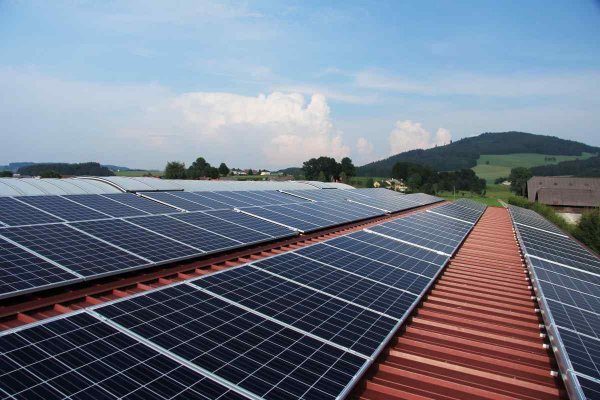
A U.S. Department of Energy report shows solar power employed 374,000 people in 2015–2016, more than oil, gas, and coal combined at 187,117. Solar's construction-driven job growth reflects a broader shift in the electric power sector's employment profile.

Science
Finnish Researchers Find Mineral That Gathers Solar, Thermal, and Kinetic Energy
Scientists at the University of Oulu have identified a perovskite mineral, KBNNO, that can simultaneously convert sunlight, heat, and mechanical movement into electricity. This multi-energy approach could lead to self-powered sensors and devices, reducing reliance on traditional batteries. The team is already working on an improved version and a prototype device.
Science
Wind Energy Poised to Rival Fossil Fuels in U.S. Within a Decade, Analyst Says
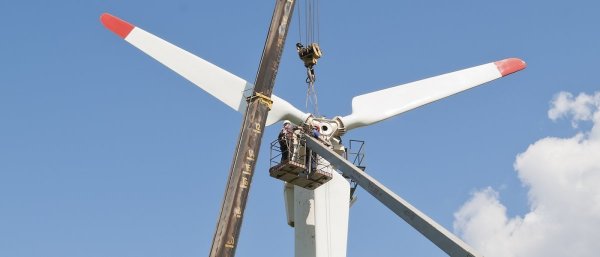
In the U.S., unsubsidized onshore wind is expected to become cost-competitive with fossil-fuel power plants within 10 years, according to Bloomberg New Energy Finance analyst Alex Morgan. Wind already supplied 5.6% of U.S. electricity in 2016, more than double the 2010 share, with major corporations driving demand.
Science
Global Solar Construction Prices Forecast to Fall 27% by 2022
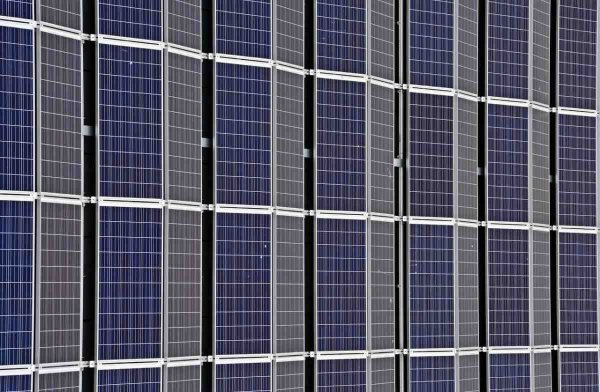
A GTM Research study predicts global solar construction costs will decline 27% by 2022, driven by market globalization. India leads with a record low of 65 cents per watt, while Japan remains the most expensive. The report also raises concerns about quality and labor practices in low-cost markets.
Science
Lithium Coating Could Bring Fusion Power Closer to Reality
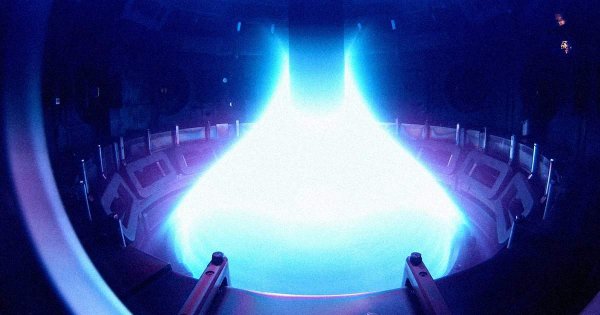
Researchers at Princeton Plasma Physics Laboratory have upgraded a fusion reactor with a lithium wall coating, which absorbs stray particles and helps maintain the extreme conditions needed for fusion. The experiment is set to test hotter plasmas and stronger magnetic fields, potentially advancing practical fusion power.

Science
Mystery Object Still Unidentified After Nuclear Submarine Collision
The U.S. Navy has yet to identify the object its nuclear submarine USS Connecticut struck in the South China Sea earlier this month, causing damage and injuries. Beijing is pressing for answers, accusing Washington of a cover-up, while the Pentagon insists it has been transparent about the incident.
Science
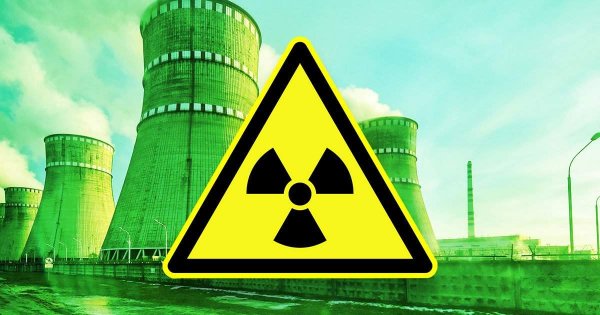
Nuclear Safety Fears Mount as Ukraine Conflict Intensifies
As Russian forces advance in Ukraine, experts warn that the country's 15 nuclear reactors face an unprecedented safety risk. The IAEA chief has urged restraint, while physicists note that reactors are not built to withstand war-zone conditions, raising concerns about accidental damage and radioactive fallout.

Science
China's HiCloud Deploys Undersea Data Center Powered by Offshore Wind
Chinese firm HiCloud has activated a 24 MW underwater data center off Shanghai, drawing 95% of its power from offshore wind and using ocean currents for cooling. The $226 million facility aims to cut energy use by 23% compared to land-based centers, marking a world-first commercial-scale deployment.

Science
RMIT Researchers Forge Unprecedented Atom-Thin Materials
Researchers at RMIT University have developed a method to create atomically thin oxide layers from liquid metals, a feat not found in nature. The breakthrough could lead to faster, more energy-efficient electronics and touch screens, and may apply to a third of the periodic table.